
July 15, 2025
Evaluation of plastic waste management initiatives of the PLEASE Project
Written By | Naheed
Reviewed By | Shorif, Farhana, Arif
Specifics of the task
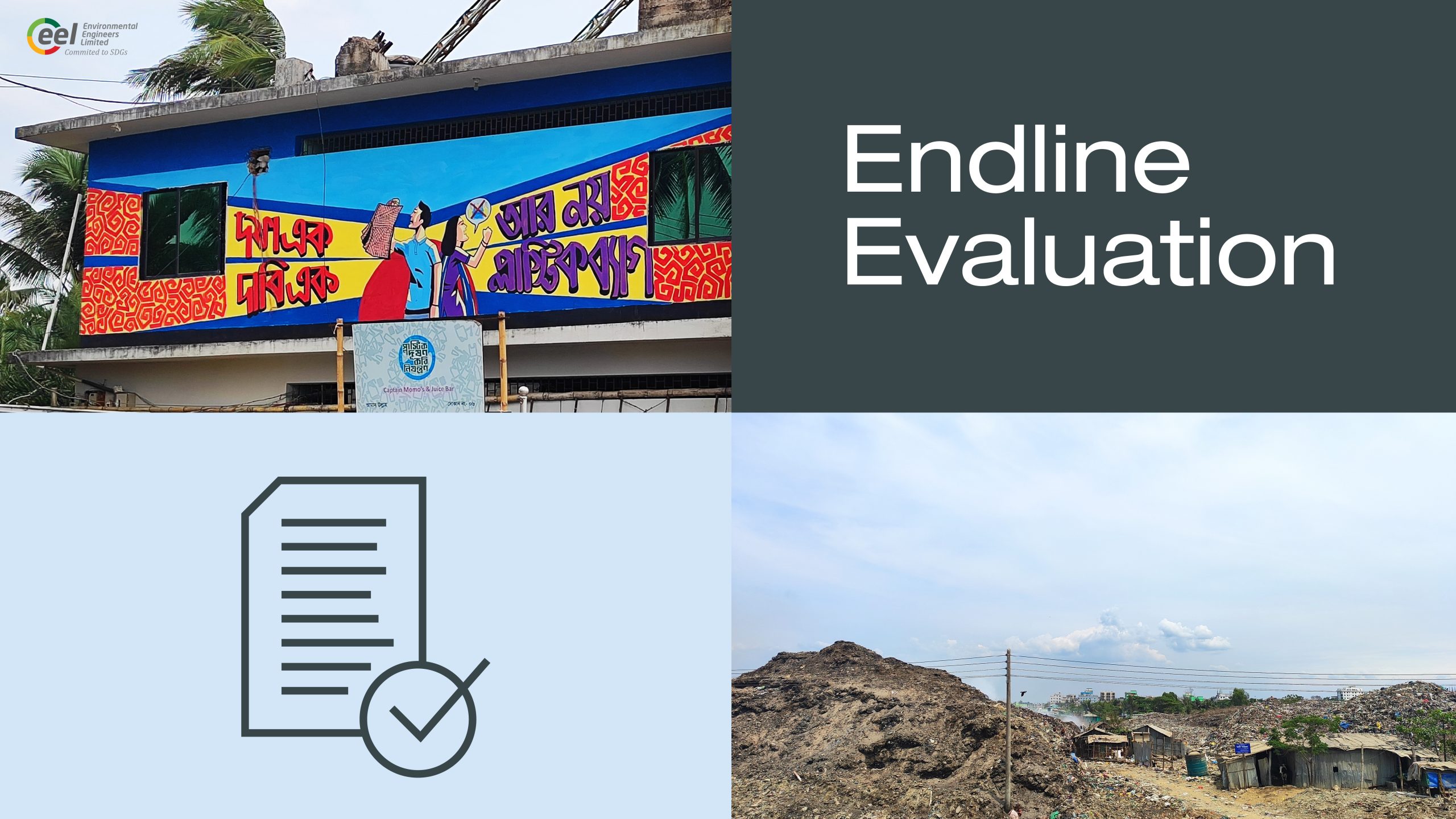
EEL’s study team assessed the impact of project interventions on plastic waste management within Cox’s Bazar Municipality and the Rohingya Camps. EEL also measured the final status of key project indicators, such as collaboration hub formation, community-level groups for community waste management drives, and waste collection and cleanup drives, and compared them to baseline values. Key areas and institutions for waste collection and cleanup drives were Cox’s Bazar Municipality (wards 1, 4, 10, 12), Rohingya Camps (Camp 1E, 1W, 3), and most hotels. The project’s intervention was successful.
Study Area
Cox’s Bazar Municipality (Ward 1, 4, 10, 12) & Rohingya Camps (1E, 1W, 3)
Name of the Project |
Implementing Partners |
Funded By |
|---|---|---|
|
PLEASE Project – Towards a comprehensive and human-centered plastic waste management approach in the Cox’s Bazar and Affected Regions by Myanmar Refugee Influx |
BRAC Urban Development Programme (UDP), SACEP, UNOPS |
The World Bank |
Duration of the task
3 months (February 2025-April 2025)
Evaluation Status
The evaluation was completed, and the final report was submitted.
Key Field Activities
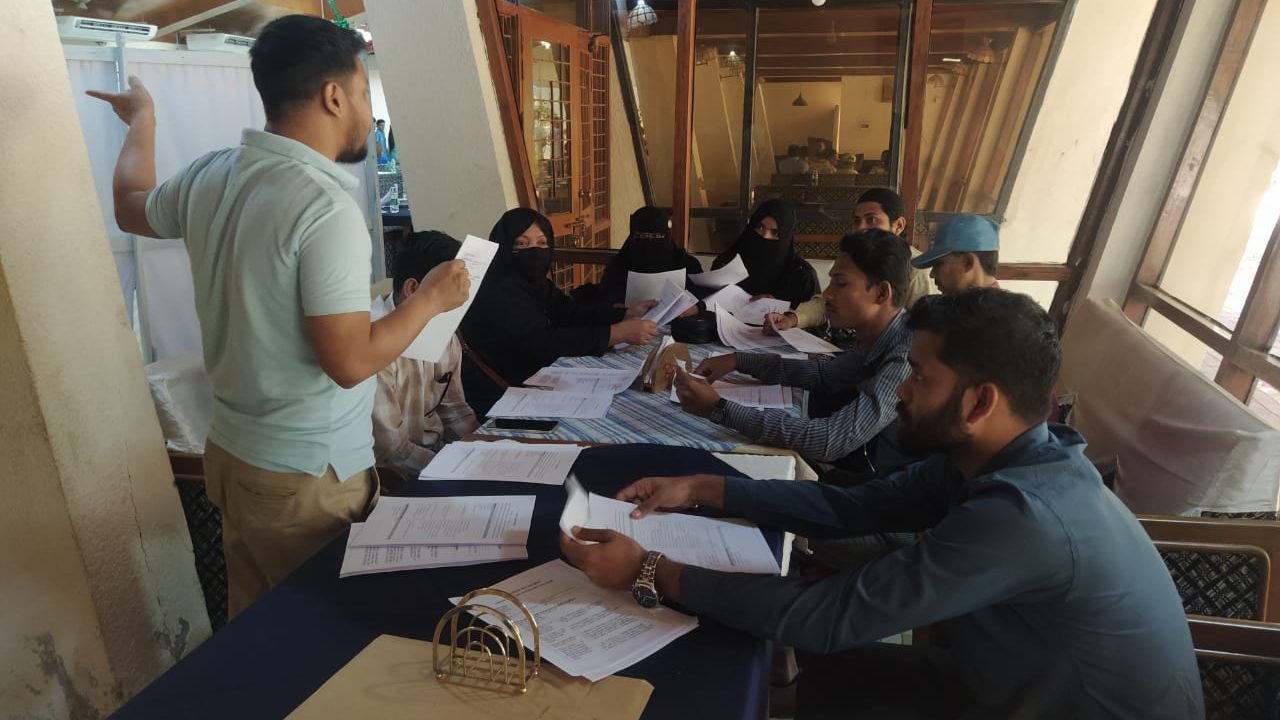
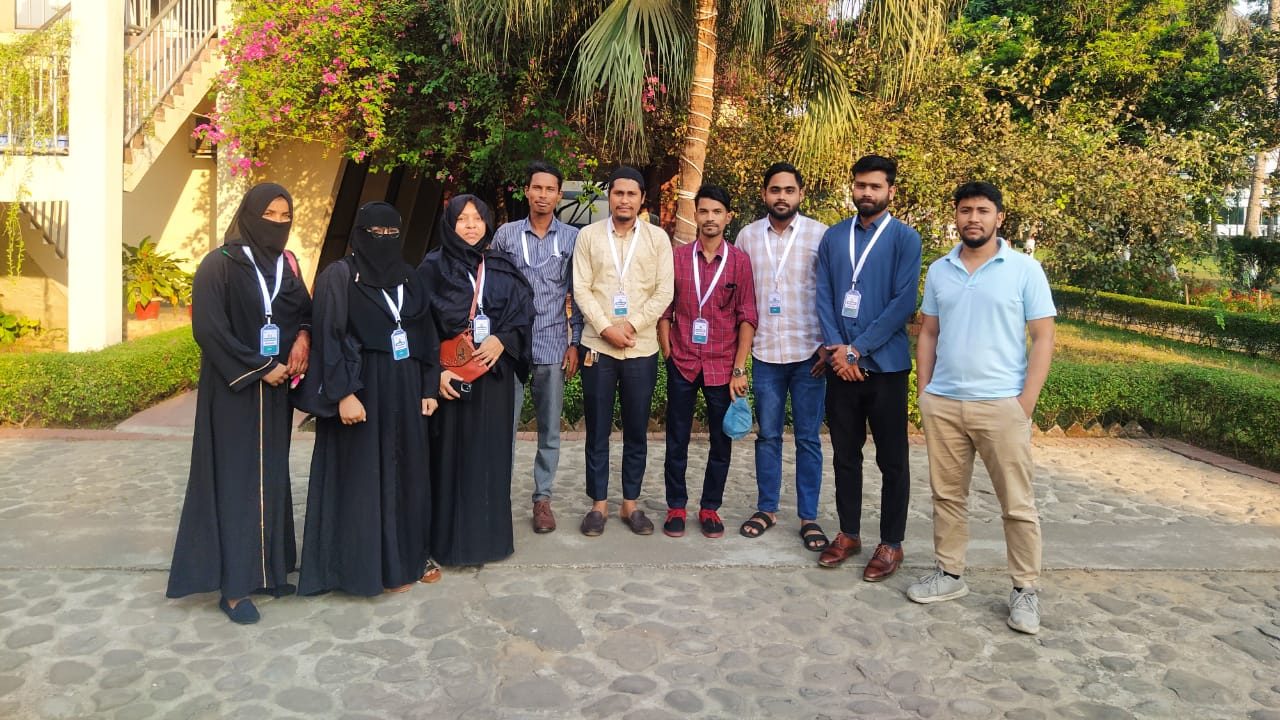
Enumerators’ Training: To ensure a smooth data collection process in the field, eight enumerators received comprehensive training. The training was a one-day session.
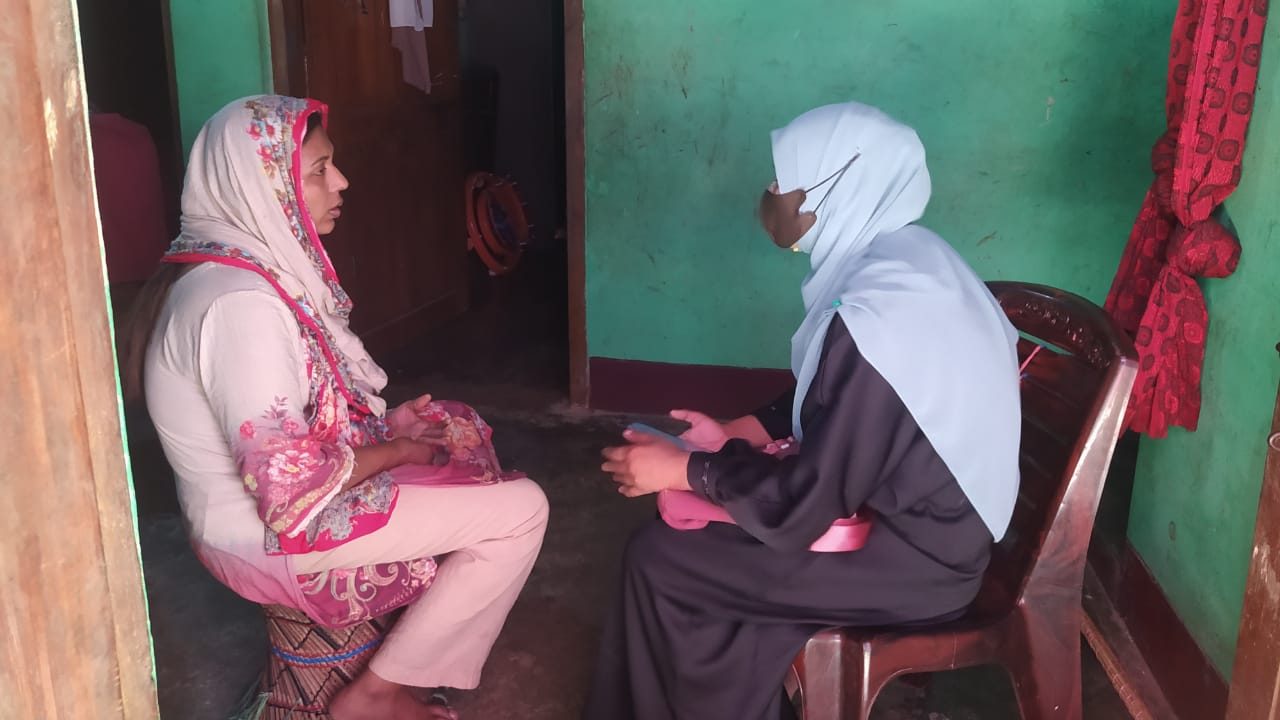
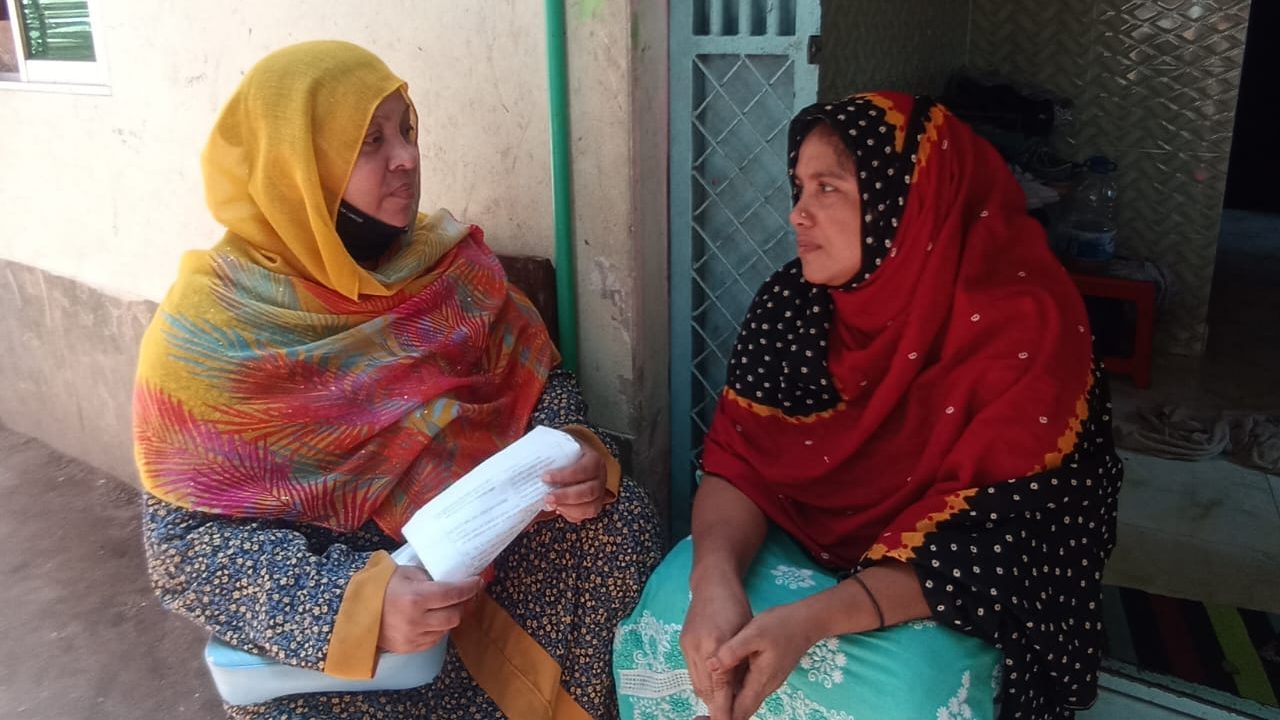
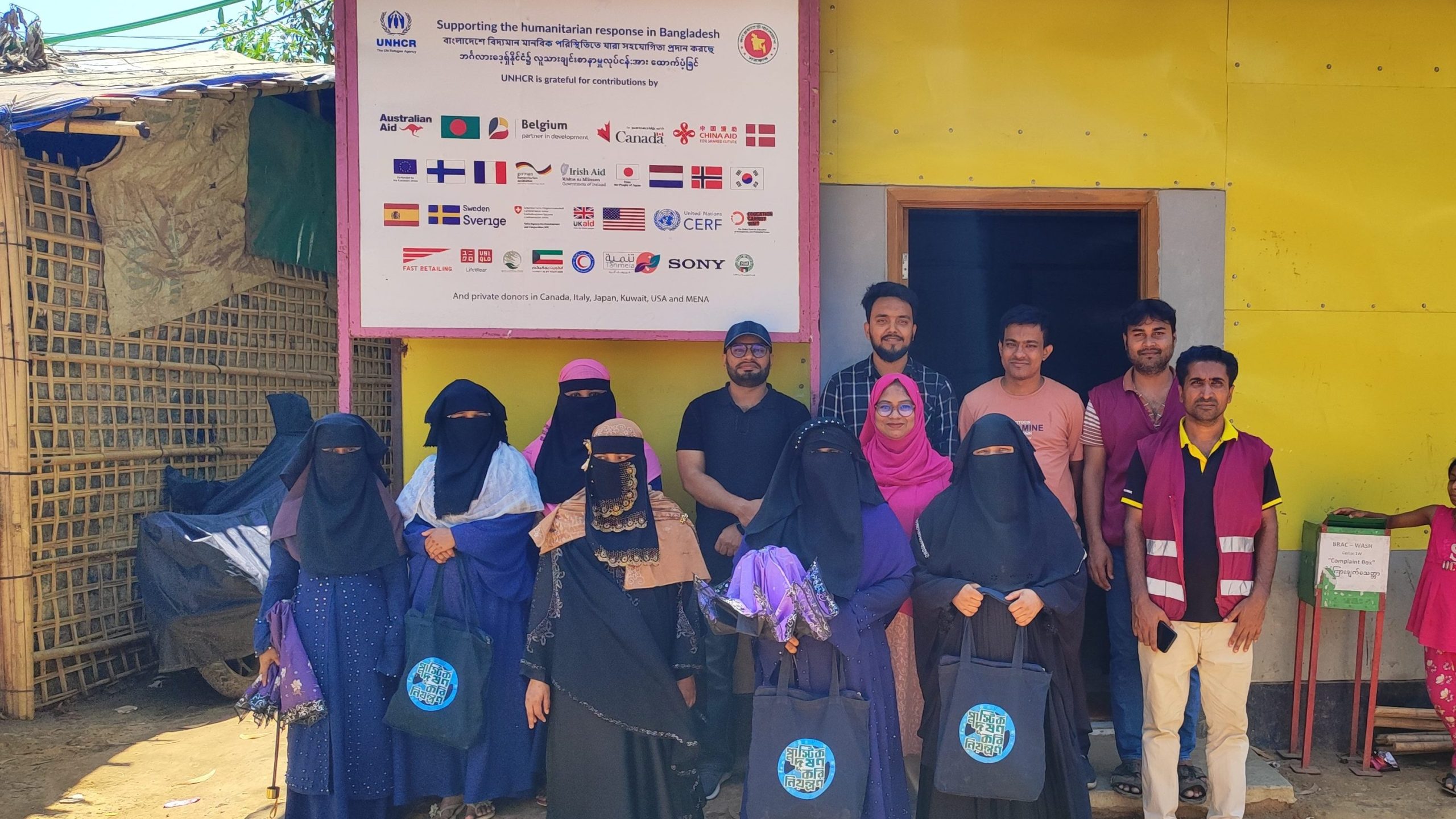
Household Surveys (KAP): Surveys were conducted with households in both Cox’s Bazar Municipality and the Rohingya Camps to assess their Knowledge, Attitudes, and Practices (KAP) regarding waste management and compared endline KAP with the baseline KAP.
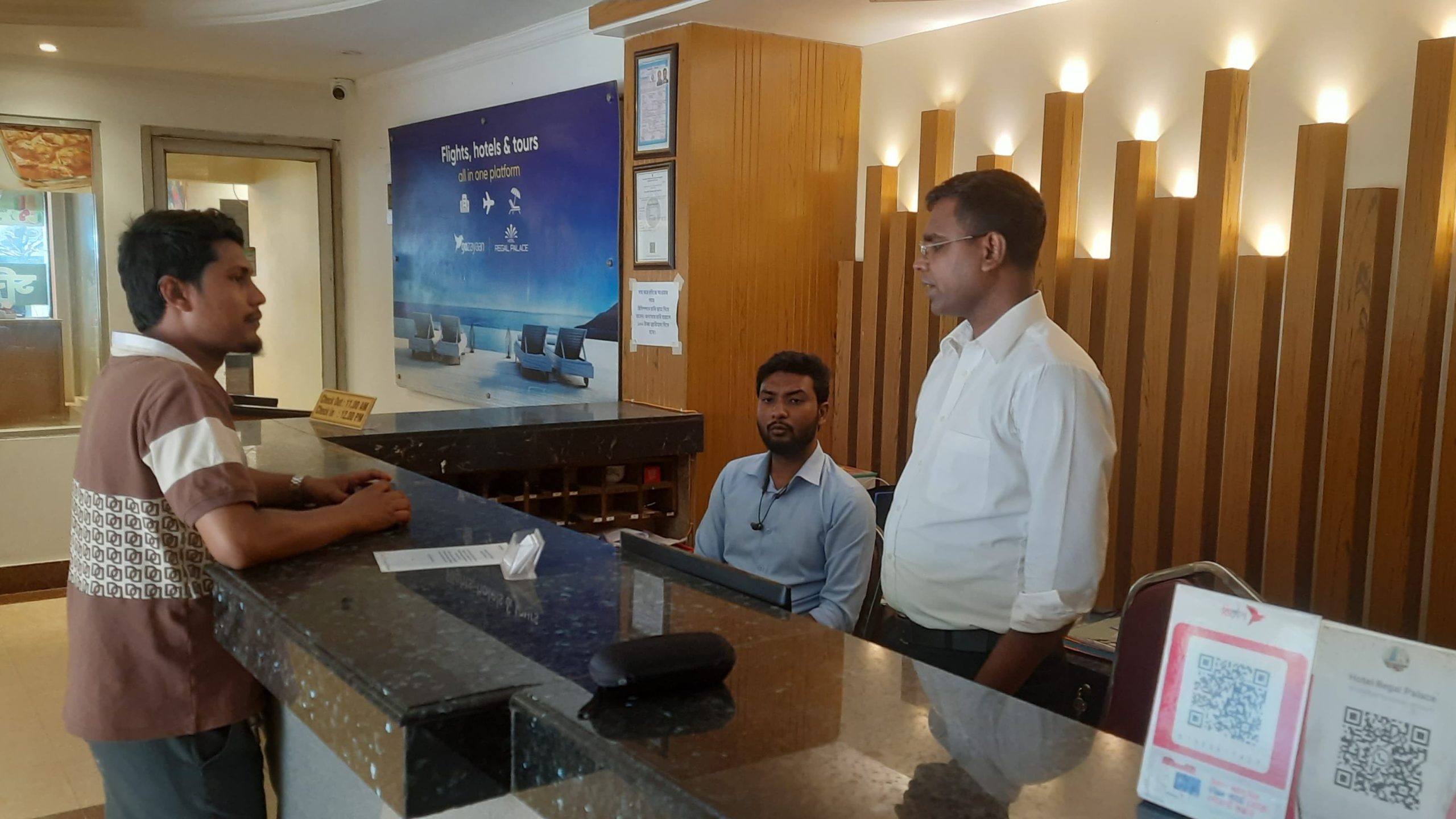
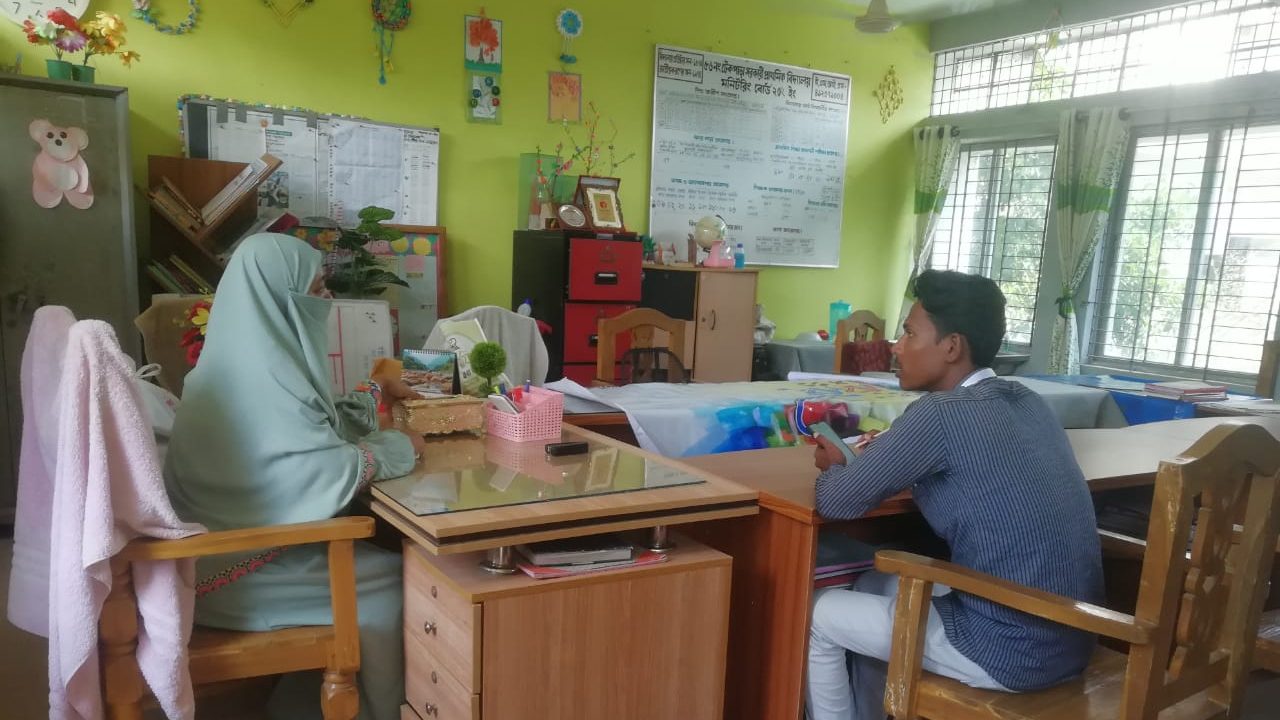
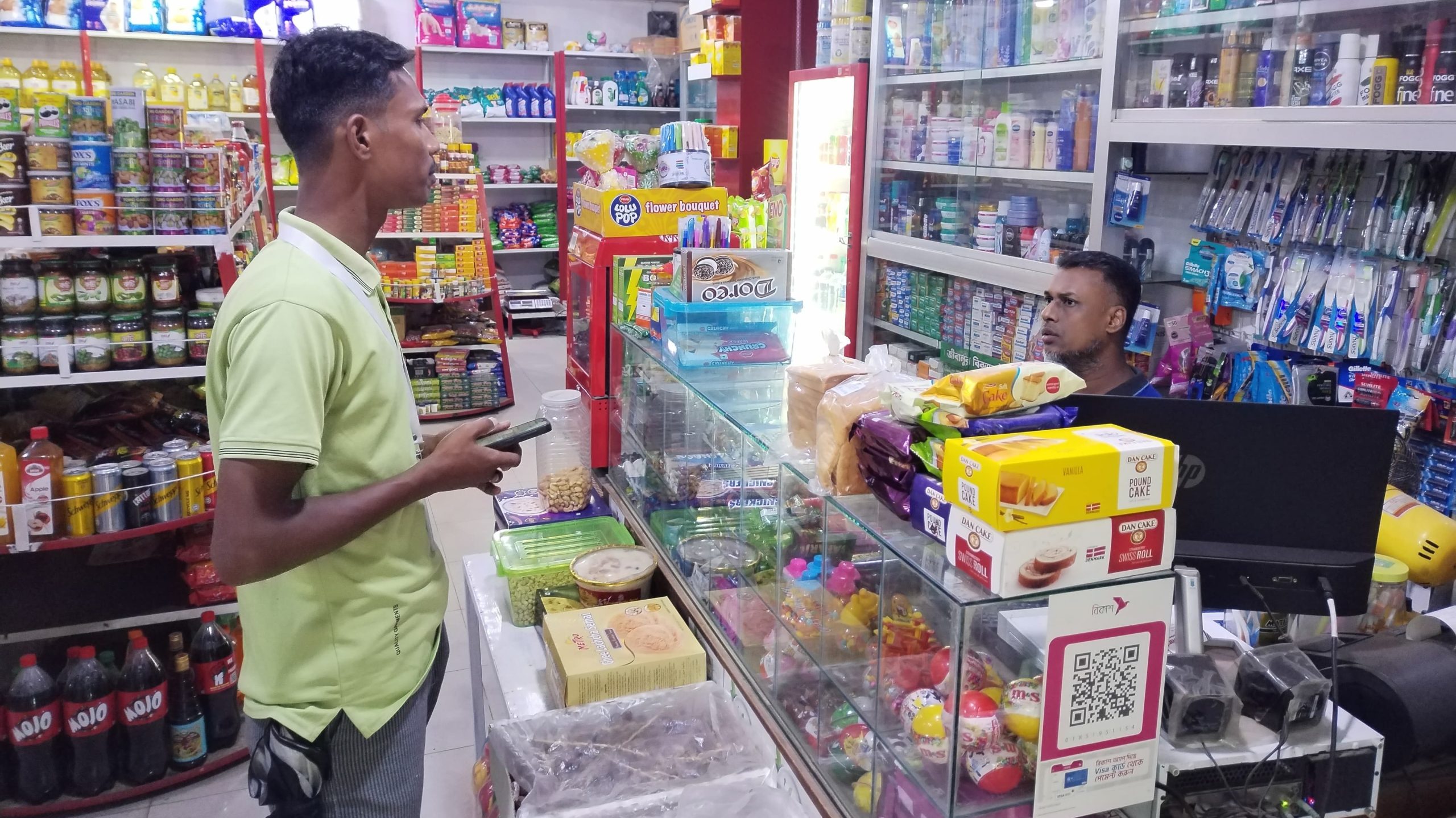
Institutional Surveys: Surveys were conducted to hotels, schools, and shopkeepers within Cox’s Bazar Municipality to understand their waste management practices, knowledge gaps, attitudes, and perceived behavioral control.
Hotspot Observations/Surveys: Hotspot surveys were conducted in the selected areas, and the endline status of the hotspots was compared with the baseline status. It was found that there was a reduction in the hotspots.
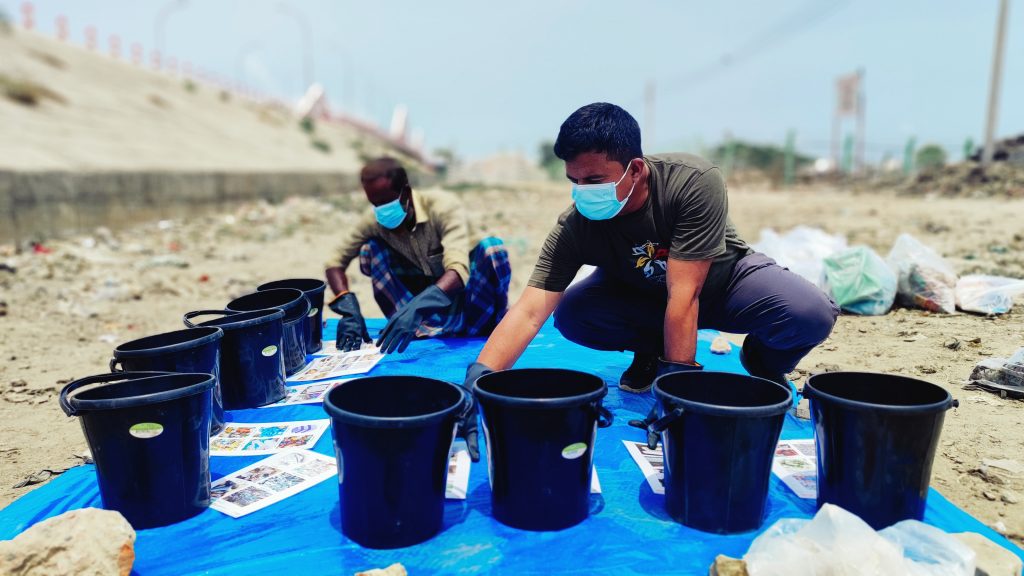
Waste Generation & Composition Measurement: A systematic process was carried out where household waste samples were collected, weighed, segregated into nine categories (including various plastic types), and then each category was weighed to determine waste composition and generation amounts.
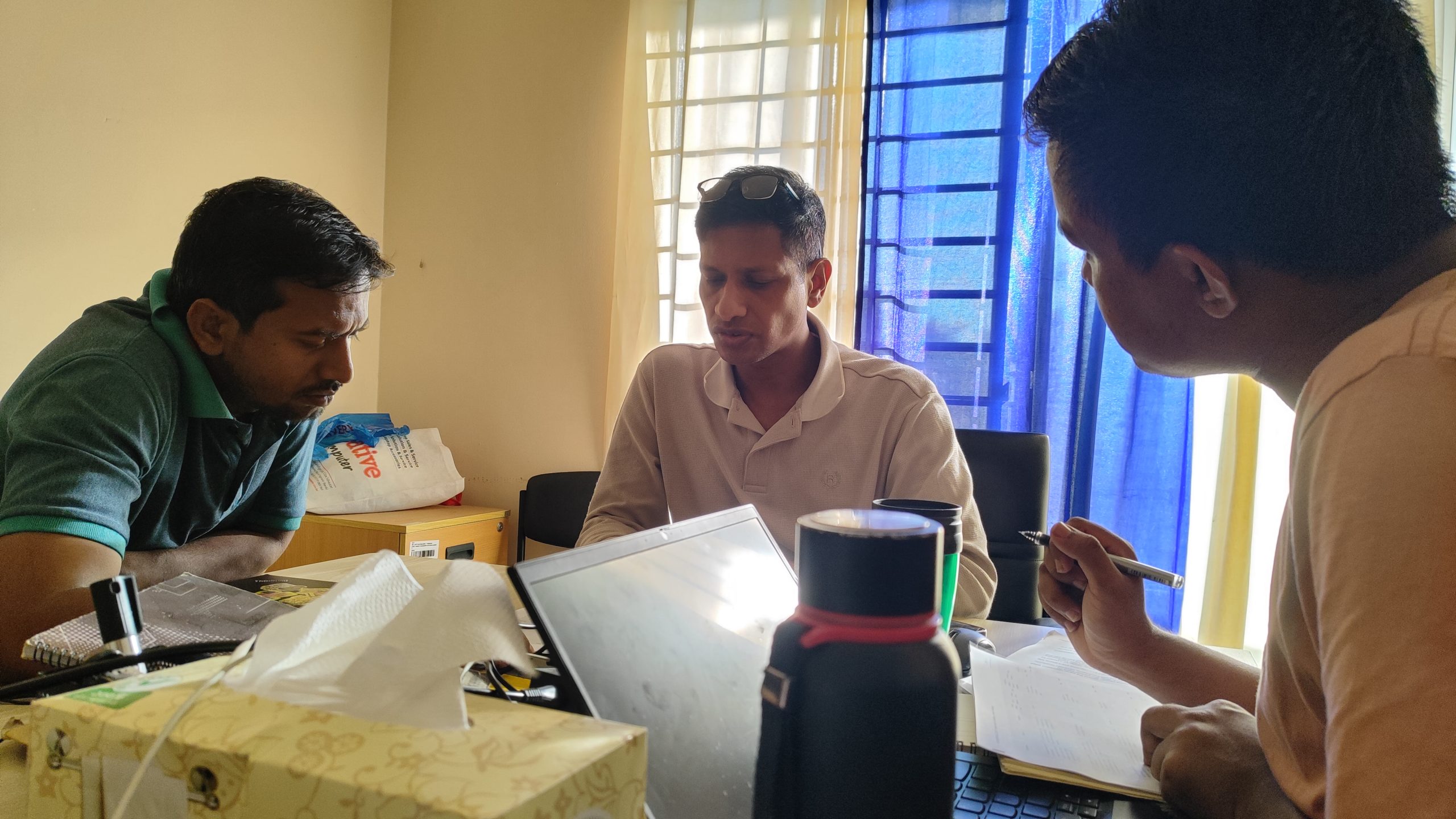
Key Informant Interviews (KIIs): Interviews were held with key individuals such as waste management committee members, Cox’s Bazar Municipal staff, and BRAC UDP officials to obtain in-depth qualitative information and perspectives.
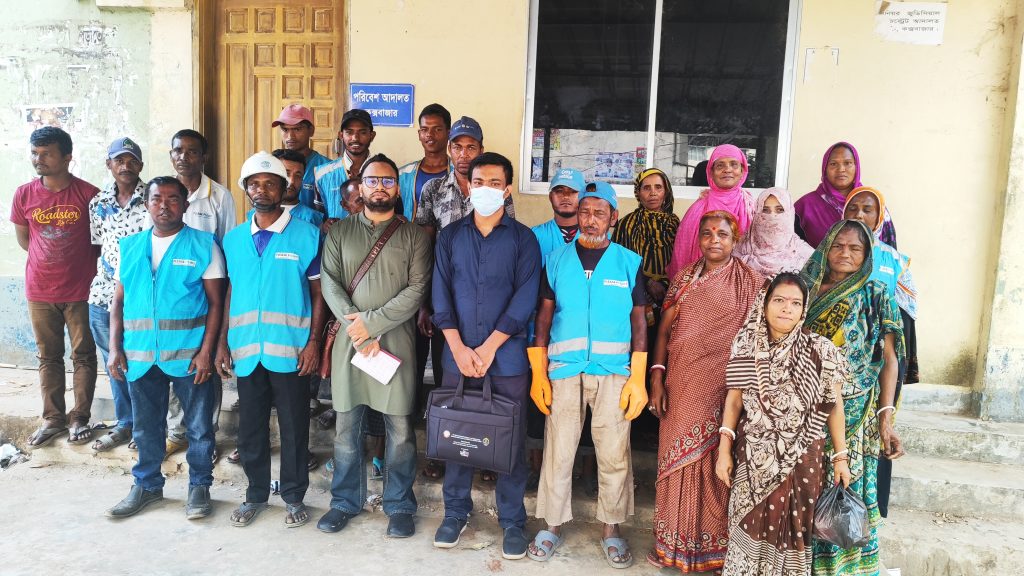
Focus Group Discussions (FGDs): FGDs were conducted among various stakeholders, including community members, fishers, waste workers, waste recyclers, and waste collectors, to gather current qualitative insights into waste management practices, challenges, behaviors and perceptions.
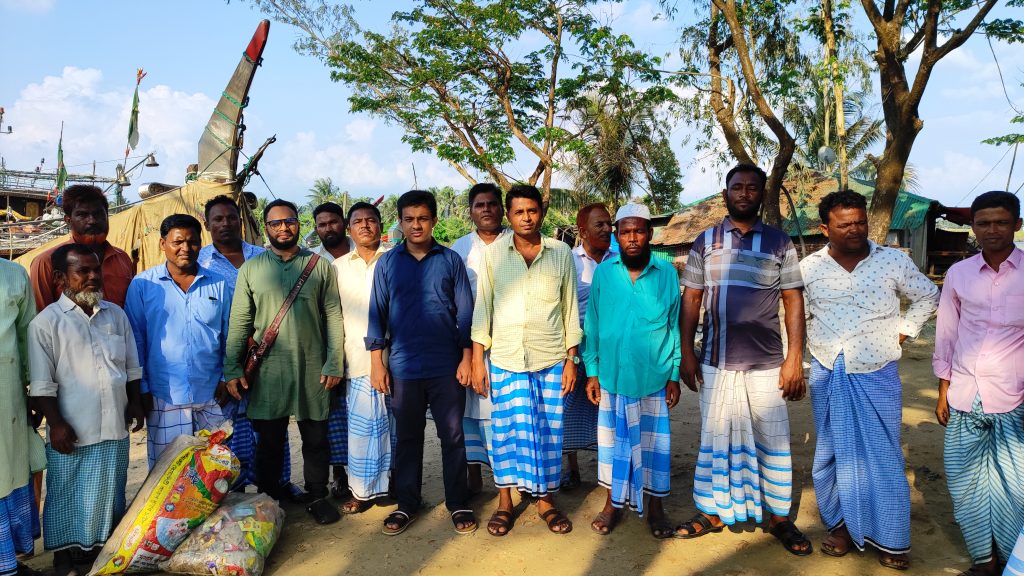
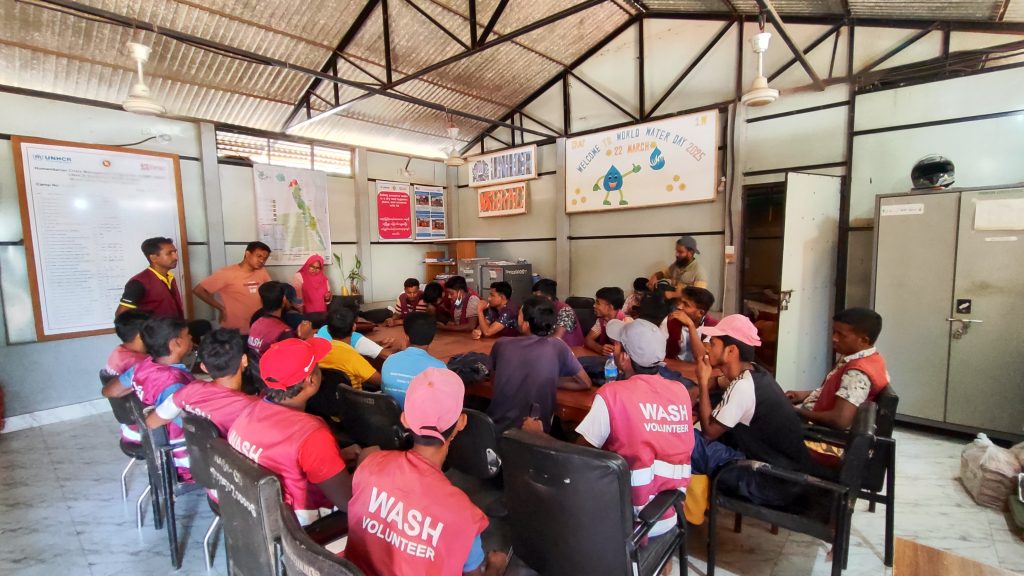
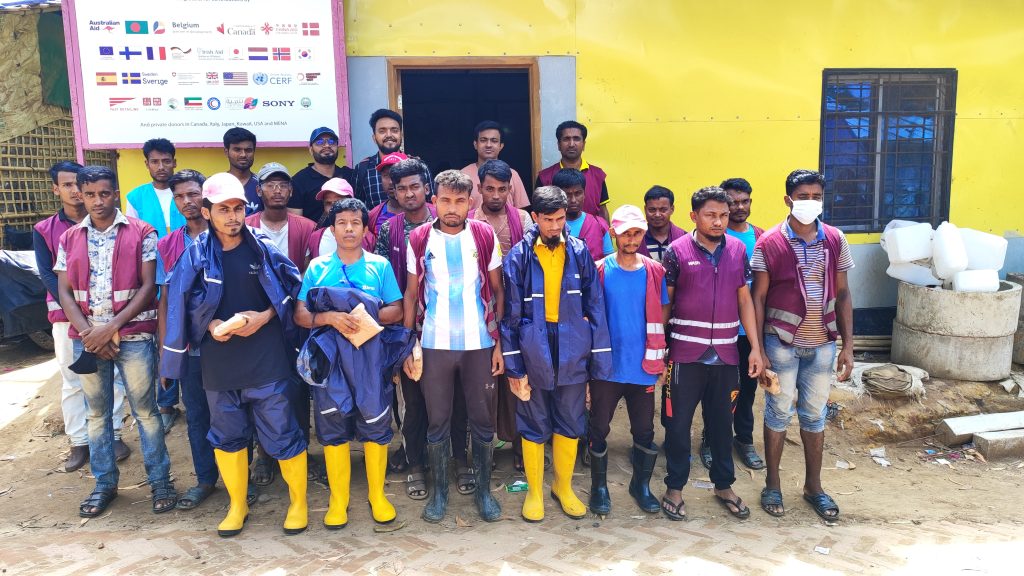

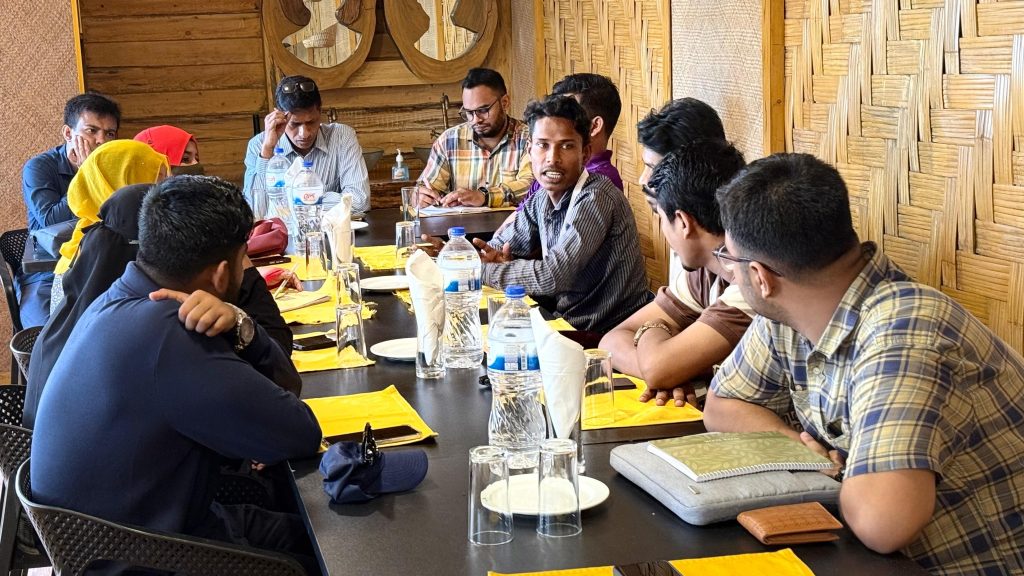
Youth Group Surveys/FGDs: Specific discussions were conducted with youth group members in the camps to understand their involvement and perspectives on waste management initiatives, particularly upcycling.
Conclusion
Though there are some areas that need improvement, the intervention of the PLEASE Project has proven effective in improving plastic waste management within Cox’s Bazar Municipality and the Rohingya Camps. Through a three-month evaluation, major improvements were noted across key indicators, including the formation of collaboration hubs, the establishment of community-level waste management groups, and increased waste collection and cleanup drives. The project was able to reduce hotspots in some areas, though hotspots are being created almost regularly. It is important to keep people aware on a regular basis. Without regular awareness programs, the intention and behavior of people may not change. One of the creative and innovative parts of the project was the upcycling initiative in the camp. This initiative will change the lives of the youth group in the camp if they keep getting involved in this process. The mission, whatever the project, is to make it sustainable.